

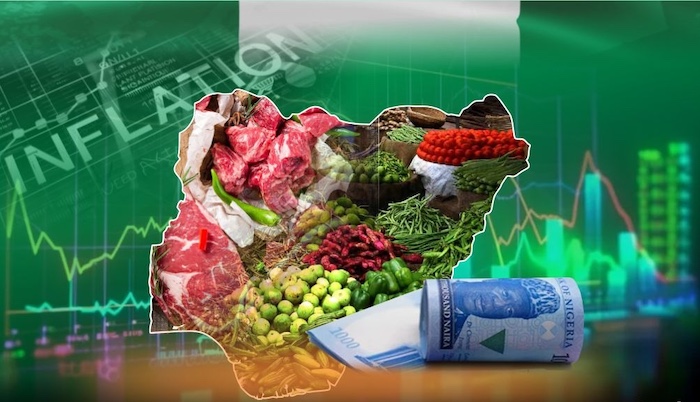
Nigeria’s inflation rate moderated to 15.15 per cent in December 2025, easing sharply from 17.33 per cent recorded in November, according to the latest Consumer Price Index (CPI) report released by the National Bureau of Statistics (NBS).
The slowdown reflects declining pressures from food and energy prices, offering potential relief to households after months of elevated living costs. On a month-on-month basis, headline inflation fell to 0.54 per cent, down from 1.22 per cent in the previous month.
The International Monetary Fund (IMF) welcomed the continued deceleration, describing it as a positive signal for macroeconomic stability and household welfare if sustained.
“We welcome the December CPI figures, which show easing inflation that could help reduce cost-of-living pressures,” the IMF said, commending Nigeria’s adoption of international best practices in CPI computation.
According to the NBS, the latest figures reflect a revised methodology aligned with the IMF’s 2020 CPI Manual and ECOWAS guidelines. The rebasing links the old CPI series to a reweighted index using the full 2024 calendar year as the reference period, improving data stability and comparability while avoiding artificial inflation spikes caused by base effects.
Food inflation dropped significantly to 10.84 per cent year-on-year, compared with 39.84 per cent in December 2024. Month-on-month, food prices declined by 0.36 per cent, driven by falling prices of staples such as tomatoes, garri, eggs, beans, onions, plantain, wheat, vegetables, and peppers.
Core inflation, which excludes volatile food and energy items, eased to 18.63 per cent year-on-year, down from 29.28 per cent a year earlier. Month-on-month core inflation slowed to 0.58 per cent.
Urban inflation stood at 14.85 per cent year-on-year, while rural inflation declined to 14.56 per cent, reflecting easing price pressures across both demographics.
At the state level, year-on-year inflation was highest in Abia (19.03%), Ogun (18.80%), and Katsina (18.66%), while Sokoto (8.61%), Plateau (9.05%), and Kaduna (10.38%) recorded the slowest increases. Month-on-month declines were most pronounced in Ondo, Gombe, and Jigawa.
The NBS said the revised methodology ensures Nigeria’s inflation data better reflects current economic realities, reinforcing confidence among policymakers, investors, and international partners.