

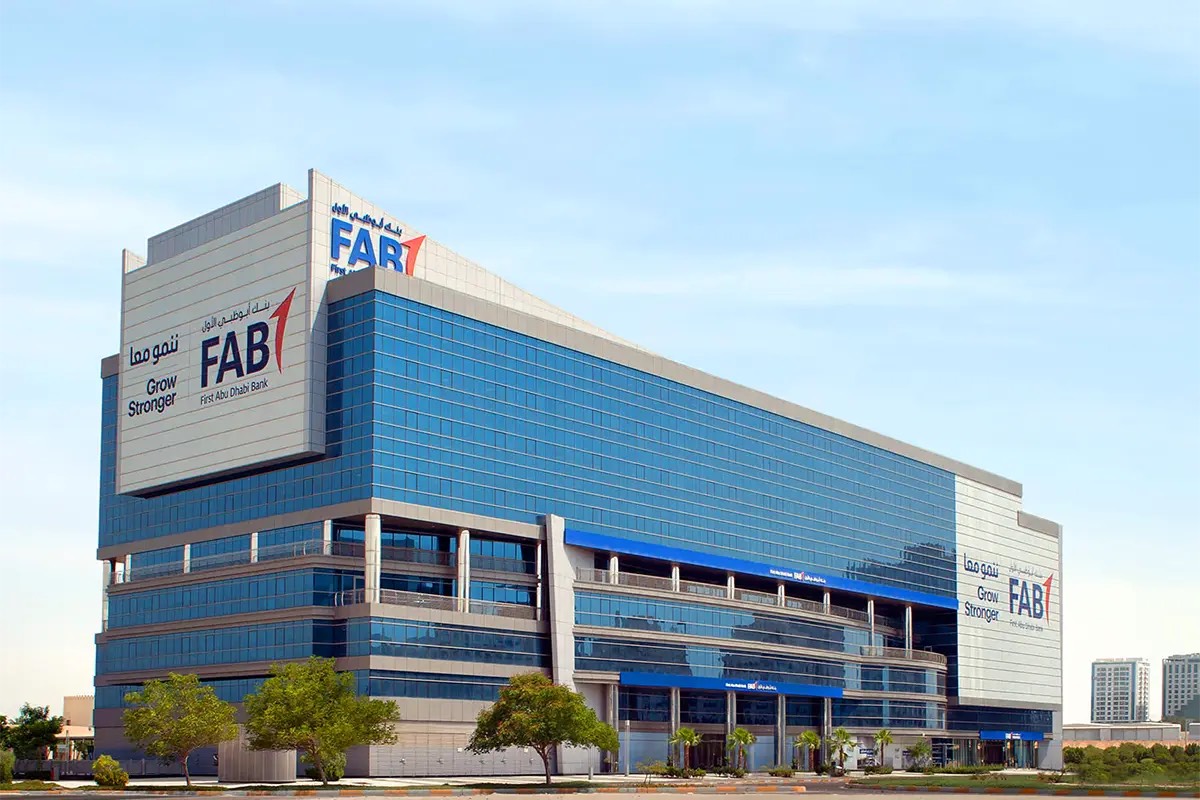
First Abu Dhabi Bank (FAB), the largest lender in the United Arab Emirates, has officially confirmed plans to open a representative office in Lagos. This move is a major part of the bank’s strategy to expand its footprint across Sub-Saharan Africa.
The announcement was made on Monday during the inaugural Investopia Africa summit held in Lagos. Martin Tricaud, the Group Head of Wholesale Banking at FAB, shared the update during a panel discussion that featured high-profile leaders like Lagos State Governor, Babajide Sanwo-Olu, and the Managing Director of the Nigerian Ports Authority, Abubakar Dantsoho.
Closing the Gap in Africa
According to Tricaud, the decision to enter the Nigerian market comes after years of careful study. While FAB already operates in 21 countries—including North African nations like Egypt and Libya—they identified a clear gap in their presence south of the Sahara.
“We are absolutely convinced that we need to be in Sub-Saharan Africa,” Tricaud explained. “Africa is essentially the future of the global economy, with GDP growing between 6% and 8% annually. With the population expected to hit nearly 2 billion in the coming decades, the opportunity is too big to ignore. After reviewing our options, we concluded that Lagos offers the best gateway to establish our first footprint in the region.”
The bank expects to officially open the Lagos office this month or next, serving as a regional headquarters to drive business across the entire West African corridor.
Funding Nigeria’s Mega-Projects
FAB isn’t just arriving to observe; they are already putting serious money into the country. The bank recently partnered with Afreximbank to provide $1.126 billion in financing for Phase 1 of the Lagos–Calabar Coastal Highway.
Tricaud highlighted that while the UAE traditionally focuses on the energy sector (both oil and renewables), the bank sees a massive future in Nigerian infrastructure. “I visited the highway construction site a few months ago and was incredibly impressed by the speed of work and the potential impact on the local economy,” he noted.
Attracting Global Capital
The bank’s role goes beyond its own funds; it is also working to bring other international investors to the table. By collaborating with partners like the Islamic Development Bank, FAB is helping to prove that Nigeria is a prime destination for global infrastructure capital.
Tricaud concluded by stating that this is only the beginning. He expects to see a surge of international investment flowing into Nigeria’s roads, highways, and other large-scale development projects in the very near future.